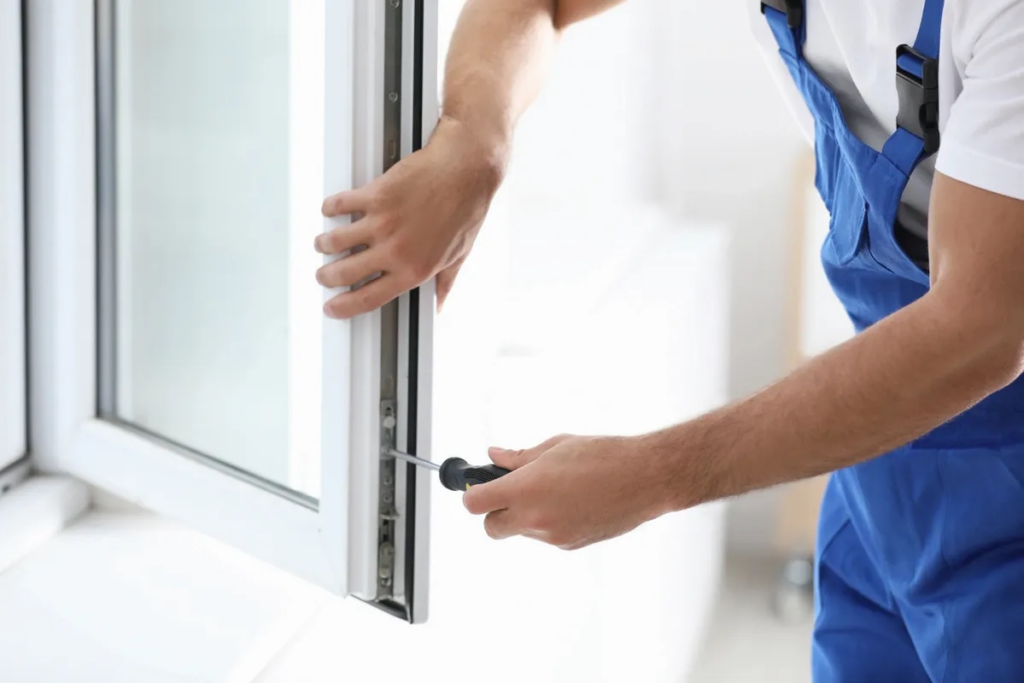
The Art of Wooden Window Repair: A Comprehensive Guide
Wooden windows have been a symbol of standard charm and workmanship for centuries, beautifying homes with their sophisticated styles and natural warmth. Nevertheless, like any other part of a home, wooden windows need routine upkeep and occasional repair to keep their aesthetic appeal and performance. This article explores the process of wooden window repair, using practical suggestions and insights to assist property owners maintain their windows and preserve the character of their homes.
Comprehending the Importance of Wooden Window Repair
Wood windows are more than simply openings in a wall; they are essential to the total structure and energy effectiveness of a home. With time, exposure to the aspects, wear and tear, and absence of maintenance can lead to different problems such as rot, warping, and drafts. Repairing these problems promptly not only extends the life of the windows however likewise enhances the home's insulation, decreases energy costs, and protects its historical worth.
Typical Issues with Wooden Windows
Before diving into the repair process, it's important to recognize the common issues that wood windows deal with:
- Rot and Decay: Water infiltration can trigger wood to rot, compromising the window frame and making it vulnerable to additional damage.
- Warping: Exposure to severe temperature levels and humidity can cause wood windows to warp, causing gaps and misalignment.
- Drafts: Gaps between the window and the frame can enable cold air to enter, increasing heating expenses and reducing convenience.
- Paint and Finish Deterioration: Peeling paint and broken down finishes can expose the wood to wetness and bugs.
- Sticking or Hard-to-Open Windows: Accumulated dirt and debris can make it challenging to open and close windows efficiently.
- Seal Failure: The seal between the window and the glass can fail, leading to water leakages and fogging.
Step-by-Step Guide to Wooden Window Repair
Repairing wood windows can be a gratifying DIY task for those with fundamental carpentry abilities. Here's a step-by-step guide to help you get started:
1. Examine the Damage
- Check the Window: Look for indications of rot, warping, drafts, and other issues.
- Determine the Specific Problem: Determine whether the problem is small (such as a small crack) or significant (like substantial rot).
2. Gather Materials and Tools
- Materials: Wood filler, epoxy, paint, guide, wood sealant, window caulking, weatherstripping, and replacement glass (if needed).
- Tools: Screwdriver, chisel, utility knife, sander, paintbrush, caulk gun, and drill.
3. Clean the Window
- Remove Old Paint: Use a paint scraper or heat weapon to eliminate any loose or peeling paint.
- Tidy the Surface: Wash the window with a solution of warm water and mild cleaning agent. Dry thoroughly.
- Sand the Wood: Sand the surface to prepare it for painting or sealing. Utilize a fine-grit sandpaper for a smooth surface.
4. Repair Rot and Decay
- Get Rid Of Rotted Wood: Use a sculpt to thoroughly eliminate all rotted wood. Dig out the decay till you reach solid wood.
- Apply Wood Hardener: Apply a wood hardener to the staying wood to enhance it. Follow the manufacturer's directions.
- Fill the Gaps: Use a wood filler or epoxy to fill out the gaps left by the eliminated wood. Smooth the filler with a putty knife and allow it to dry.
- Sand and Prime: Once the filler is dry, sand it smooth and apply a coat of guide to seal the surface area.
5. Address Warping
- Moisture Control: Ensure that the area around the window is well-ventilated to avoid further warping.
- Align the Frame: If the warping is small, you can try to correct the frame using a block of wood and a rubber mallet. Tap the frame gently to realign it.
- Replace the Frame: For serious warping, it might be essential to replace the whole window frame.
6. Repair Drafts
- Seal Gaps: Use a caulk gun to use window caulking around the edges of the window frame. This will help avoid air leakages.
- Install Weatherstripping: Cut weatherstripping to fit around the window sash and press it into location. This will supply an additional barrier versus drafts.
7. Repair Sticking Windows
- Oil the Tracks: Apply a silicone-based lube to the window tracks to help the sash move more smoothly.
- Adjust the Hardware: Check and adjust the window hardware, such as hinges and locks, to ensure proper positioning.
- Remove Obstacles: Clear any debris or dirt that might be triggering the window to stick.
8. Replace Broken Glass
- Eliminate the Old Glass: Carefully get rid of the old glass using an utility knife to cut away the glazing compound. Lift the glass out gently.
- Install New Glass: Cut a new piece of glass to fit the opening. Apply glazing compound around the edges and push the brand-new glass into place.
- Protect the Glass: Use glazing points to hold the glass in location while the substance dries. Use a final coat of glazing compound and smooth it with a putty knife.
9. Paint and Seal
- Use Paint: Once the repairs are total, use a high-quality outside paint to the window. Multiple thin coats are much better than one thick coat to guarantee an even finish.
- Seal the Wood: Apply a wood sealant to safeguard the window from wetness and UV damage. This will extend the life of the wood and maintain its appearance.
Tips for Maintaining Wooden Windows
Routine upkeep can avoid numerous common problems and extend the life of your wood windows. Here are some tips to keep your windows in great condition:
- Inspect Regularly: Conduct an extensive examination of your windows a minimum of once a year to capture concerns early.
- Keep Clean: Clean your windows and the surrounding area to avoid the accumulation of dirt and debris.
- Preserve Paint: Repaint or recoat your windows as required to secure the wood from wetness and sun damage.
- Control Moisture: Ensure proper drainage around your house to avoid water from pooling near the windows. Use a dehumidifier if essential.
- Usage Quality Materials: Invest in top quality wood fillers, sealants, and paints to ensure long-lasting repairs.
Frequently asked questions
Q: How frequently should I check my wooden windows?A: It's recommended to inspect wood windows a minimum of once a year, preferably during the spring or fall. This allows you to catch any issues early and address them before they become significant issues.
Q: Can I repair a severely decomposed wooden window myself?A: While minor repairs can be done DIY, seriously decayed windows might need expert assistance. If the damage is substantial, it's finest to seek advice from a carpenter or window repair expert to make sure the repair is done correctly and securely.
Q: What type of paint should I utilize for wooden windows?A: Use a high-quality exterior paint specifically created for wood. Oil-based paints supply better defense against moisture and are more resilient, however water-based paints are much easier to use and tidy up.
Q: How can I prevent my wood windows from deforming?A: To prevent warping, preserve appropriate ventilation around the windows, control indoor humidity, and make sure that the wood is well-sealed and painted. Prevent exposing the windows to extreme temperature level modifications and direct sunshine for extended durations.
Q: What is the very best way to repair a drafty window?A: The finest way to repair a drafty window is to seal any spaces with window caulking and install weatherstripping around the sash. Make sure that the weatherstripping is used correctly to offer a reliable barrier versus drafts.
Q: Can I replace the glass in a wood window myself?A: Yes, you can replace the glass in a wooden window yourself. However, it needs cautious handling and the usage of glazing compound and glazing points. If you're not comfortable with the procedure, consider employing a professional.
Wooden window repair is a skill that can save house owners cash and protect the appeal and performance of their windows. By following the steps laid out in this guide and keeping a regular assessment and upkeep routine, property owners can ensure that their wood windows remain a source of pride and convenience for several years to come. Whether site web dealing with a small repair or a more substantial remediation, the secret is to approach the task with care and attention to information. With the best materials and tools, you can revive your wooden windows and keep them in leading condition.
Extra Resources
- Books: "The Homeowner's Guide to Window Repair" by John Leeke
- Websites: Old House Journal
- Videos: Search for "wood window repair tutorials" on YouTube for visual assistance
By taking the time to understand and deal with the typical problems that wooden windows face, homeowners can enjoy the ageless appeal and performance of their windows while saving cash and increasing the worth of their homes.